September 10, 2026 | Los Angeles, California
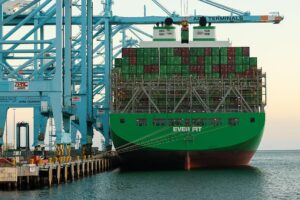
America’s busiest container port has recorded its strongest three-month period ever as retailers rushed merchandise into the country ahead of the holiday shopping season.
The Port of Los Angeles handled a record amount of cargo during June, July and August, according to its executive director, as companies moved imports earlier than usual to reduce their exposure to new tariffs and rising transportation costs.
Holiday Merchandise Is Arriving Early
Retailers typically increase imports ahead of the crucial holiday shopping season, but this year’s activity has been particularly intense.
Companies have been bringing products into the United States earlier as they try to manage uncertainty surrounding tariffs and higher fuel expenses.
The three-month period from June through August reached approximately 2.9 million twenty-foot equivalent units (TEUs), setting a new record for the Port of Los Angeles.
Why This Matters for American Shoppers
The massive flow of imports includes merchandise destined for stores and warehouses across the country.
Tariffs and transportation expenses can increase the cost of bringing products into the United States. Retailers must then decide whether to absorb those additional expenses or eventually pass some of them on to consumers.
The issue is becoming especially important as Americans prepare for the year-end shopping season.
Fuel Costs Add Another Challenge
The record comes at a time when global energy markets are under significant pressure.
Oil has climbed above $100 per barrel amid renewed disruptions to Middle Eastern energy supplies, increasing concerns about transportation and shipping expenses.
Higher fuel costs can affect virtually every stage of the supply chain — from cargo ships crossing the Pacific to trucks transporting products from ports to warehouses and stores.
What Happens Next?
The record-breaking summer does not necessarily mean cargo volumes will continue rising at the same pace.
Because many retailers imported holiday merchandise earlier than normal, shipments later in the year could slow.
For American consumers, however, the bigger question will be whether tariffs and higher transportation costs ultimately translate into higher prices on store shelves during the holiday season.
Source: Reuters — September 10, 2026.